Syria's Startup Ecosystem: From Survival to Rebuilding
This article is a summary of an original piece that first appeared on https://karamshaar.com/syria-in-figures/external-contribution-startup-syria/
Syria's startup landscape has changed in the past six months in ways unthinkable for over a decade. The fall of the Assad regime—long known for stifling businesses and suppressing startup growth—has unleashed a wave of ideas and entrepreneurial activity across the country.
Startup activity in this short period has already surpassed the total volume of the previous five years, with a 150% increase in newly created ventures compared to the year before, according to figures by Startup Syria. It marks a historic moment for the small business sector.
Entrepreneurship as a Means of Survival
Even amid years of crisis, Syrians have relied on entrepreneurship as a means of survival. Today, over 80% of people view entrepreneurship as 'extremely important,' up from just 26% in 2015.
From agritech to e-health and financial services, the entrepreneurial scene has burst into life with a stream of ambitious proposals aimed at addressing the country's many challenges.
The Reality Check
Yet so far, these ambitions remain largely aspirational. Turning ideas into viable businesses requires a long journey—one that most founders are not yet equipped to undertake, and one that the ecosystem is not ready to support.
As Syrian businesses begin shaping their post-conflict trajectories, national recovery priorities and the foundational needs of a startup ecosystem will inevitably overlap.
Hack for Syria: A Window into Priorities
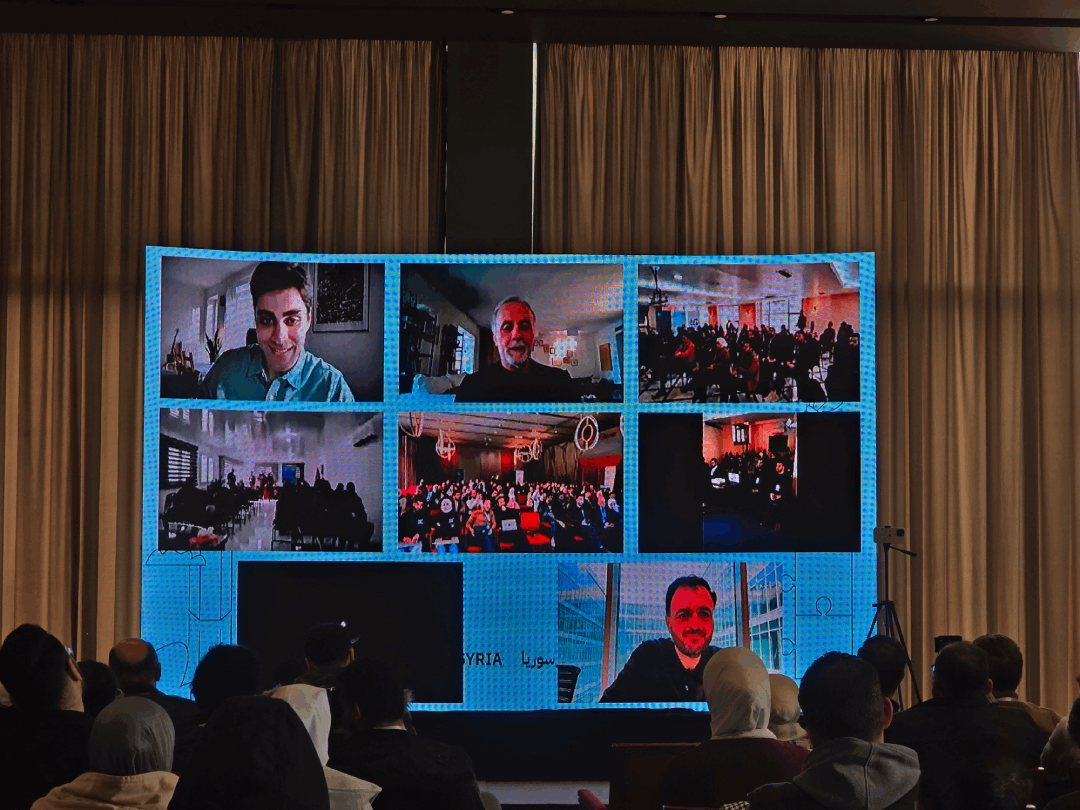
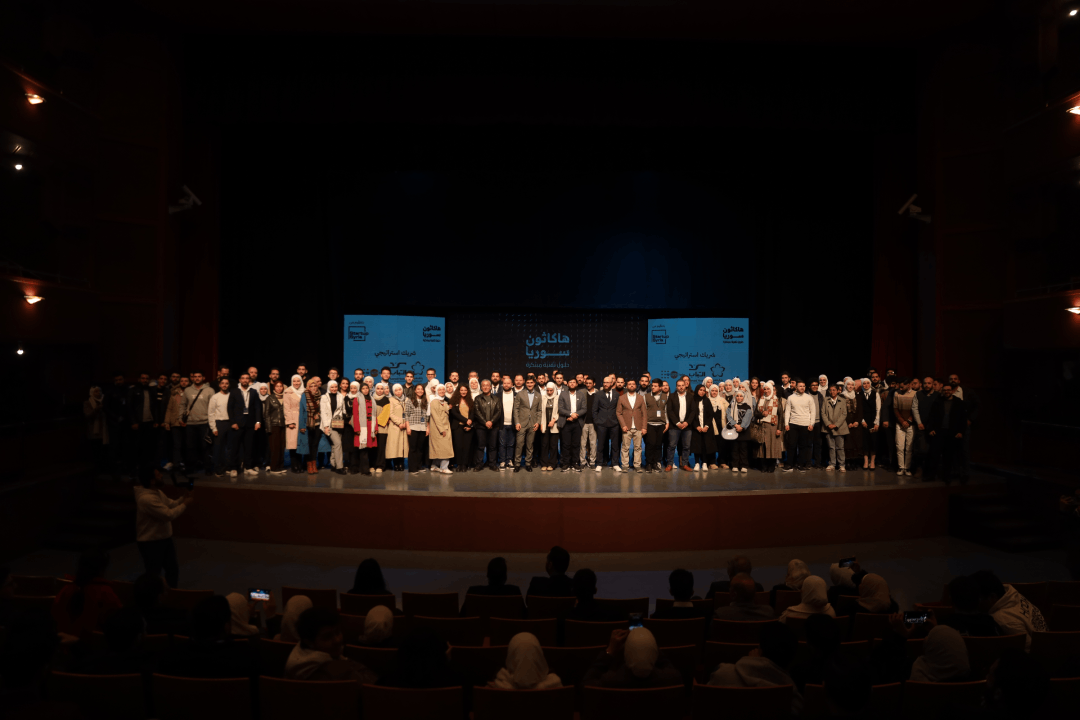
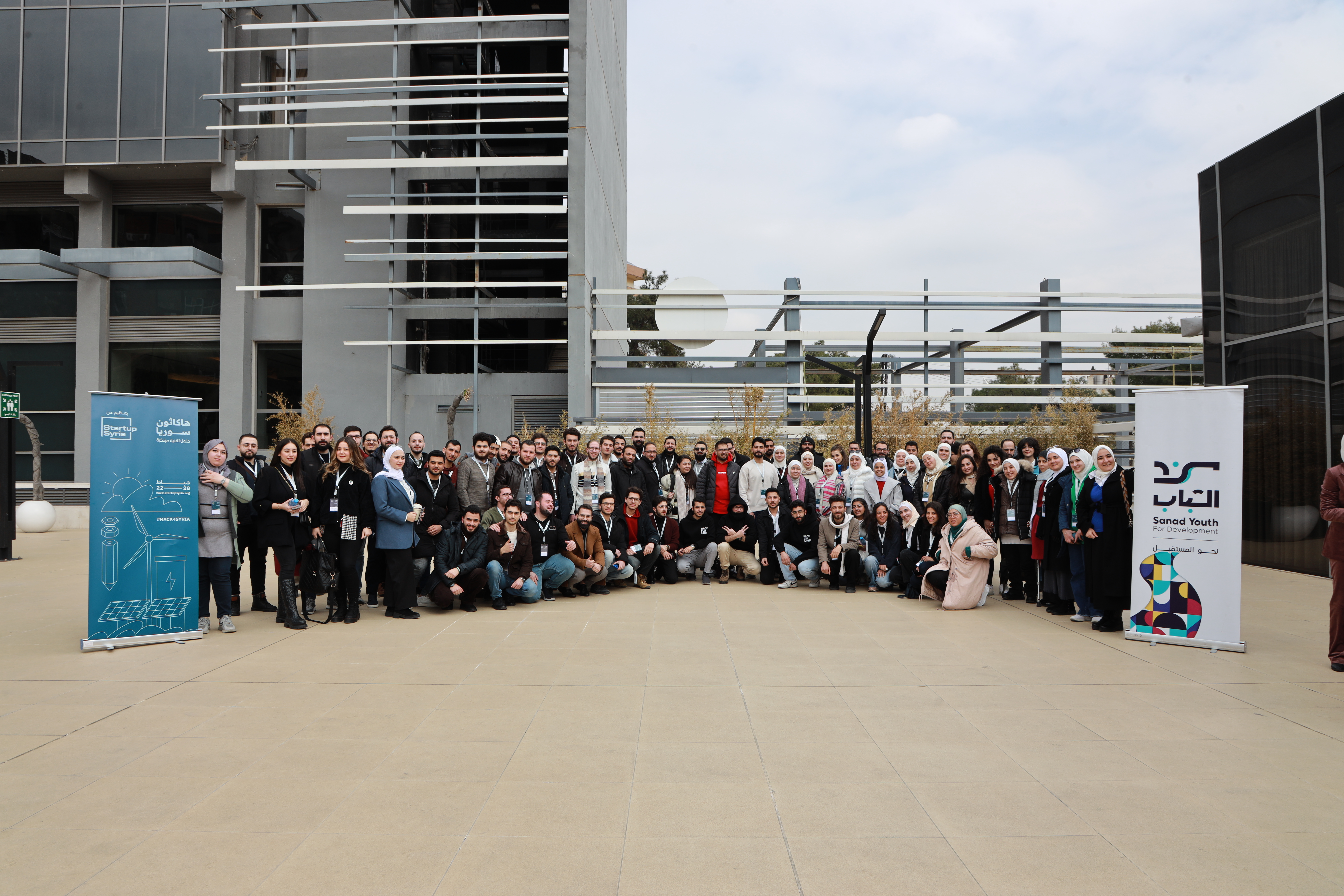
When we hosted Hack for Syria, a hack-a-thon drawing over 5,000 Syrians, the majority of ideas focused on rebuilding core systems:
- •Infrastructure and public services (27.6%)
- •Education and skills development (26.9%)
- •Economic development and employment (21.5%)
Together, these accounted for more than 75% of participants' focus, reflecting the deep interconnection between startup innovation and national rebuilding efforts.
The Path Forward
The entrepreneurial energy is undeniable, but channeling it effectively requires systematic support, infrastructure, and training. The startup ecosystem must evolve from survival mode to a structured, sustainable framework that can nurture ideas into successful ventures.
As Syria transitions from survival to rebuilding, the role of entrepreneurship in shaping the country's future has never been more critical.
This is not just about building businesses—it's about rebuilding a nation through innovation and entrepreneurship.
— Startup Syria